
Fall Home Maintenance Checklist: 12 Essential Tasks
Cooler mornings, changing leaves and shorter days are signs that winter is on the way. Before temperatures fall, homeowners have an opportunity to address small maintenance issues that could become expensive problems later.
A little preparation can help protect your house, improve energy efficiency and make the winter months more comfortable. Use this fall home maintenance checklist to get your property ready before the first freeze.
1. Inspect Your Roof
Start by looking for missing, damaged or curling shingles. Check the areas surrounding chimneys, vents and skylights for visible gaps or damaged flashing.
You may be able to spot obvious concerns from the ground, but hire a qualified professional if the roof is difficult to access or you suspect damage. Addressing a small leak now may help prevent water damage during winter rain, snow and ice.
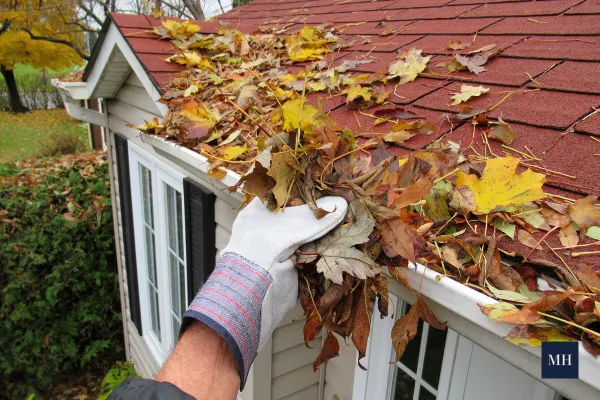
2. Clean Your Gutters and Downspouts
Leaves and debris can prevent water from moving through your gutters properly. When water cannot drain, it may overflow near the roof, siding or foundation.
Clean the gutters, check for loose connections and confirm that downspouts direct water away from the house. Continue checking them throughout the fall if your property has several mature trees.
3. Check the Foundation and Exterior Drainage
Walk around the outside of your home after it rains. Look for water collecting near the foundation, soil that slopes toward the house or downspouts that release water too close to the building.
Also inspect the foundation for new or expanding cracks. Not every crack signals a serious problem, but noticeable changes should be evaluated by an appropriate professional.
4. Seal Drafty Windows and Doors
Small gaps around windows and doors can make your heating system work harder. Inspect weatherstripping, exterior caulk and door sweeps for damage.
The U.S. Department of Energy recommends weatherstripping movable components and caulking stationary gaps to reduce unwanted air leakage. Replacing worn materials can help your home feel more comfortable while reducing energy waste.
5. Service Your Heating System
Do not wait until the first freezing night to discover that your furnace is not working correctly.
Schedule professional maintenance if your system is due for service. Check the filter and replace it when dirty, following the equipment manufacturer’s instructions. The Department of Energy recommends checking heating filters regularly because dirty filters can reduce airflow and make the system work harder.
6. Inspect Your Fireplace and Chimney
If you plan to use a fireplace or wood-burning stove, have the chimney and heating equipment inspected and cleaned by a qualified professional.
The U.S. Fire Administration recommends annual inspection of heating equipment and chimneys. Keep furniture, curtains, decorations and other materials that can burn at least three feet away from fireplaces, space heaters and other heat sources.
7. Test Smoke and Carbon Monoxide Alarms
Test every smoke and carbon monoxide alarm in the house and replace batteries when needed.
Smoke alarms should be installed on every level of the home, inside bedrooms and outside sleeping areas. The U.S. Fire Administration recommends testing smoke alarms monthly and replacing smoke alarms that are 10 years old.
Check the manufacturer’s instructions for your carbon monoxide alarms and replace them according to the recommended schedule.
8. Protect Pipes and Outdoor Faucets
Disconnect garden hoses, drain outdoor faucets when appropriate and winterize irrigation systems according to the manufacturer’s instructions.
Pay attention to water pipes located in basements, crawl spaces, garages and exterior walls. Insulating exposed pipes can reduce the risk of freezing. Ready.gov also recommends learning how to shut off your home’s water supply in case a pipe bursts.
9. Trim Trees and Clean Up the Yard
Inspect trees for damaged or dead branches that could fall during high winds, snow or ice. Hire a qualified tree professional for branches located near the house, roof or power lines.
Rake leaves away from exterior drains and remove debris that could block water flow. This is also a good time to complete final lawn care and prepare landscaping for colder temperatures.
10. Store Outdoor Furniture and Equipment
Clean and store patio furniture, grills, tools and seasonal equipment. Secure anything that could be damaged or moved by strong winter winds.
If you use gasoline-powered lawn equipment, follow the manufacturer’s storage instructions. Avoid storing fuel or combustible materials near furnaces, water heaters or other heat sources.
11. Prepare for Winter Weather
Gather basic winter supplies before a storm is in the forecast. Depending on your location, that may include an ice scraper, snow shovel, pet-safe ice melt, flashlights, batteries, blankets and shelf-stable food.
Ready.gov recommends preparing for possible power outages and having an emergency plan for severe winter weather. Keep important phone numbers accessible and know where your home’s utility shutoffs are located.
12. Make a Plan for Larger Repairs
Your fall inspection may uncover projects that require more than a quick weekend fix. Instead of ignoring them, make a list and separate the projects into three groups:
Safety concerns requiring prompt attention
Repairs needed before winter
Improvements that can be planned for the coming year
Request estimates from qualified contractors and compare the cost with your available savings and overall financial goals.
If the work involves a major renovation or expensive repair, it may also be helpful to understand whether refinancing or another financing strategy could fit your situation. The right option will depend on your equity, qualifications, current loan and long-term goals.
Protect the Home—and the Investment
Homeownership does not stop at closing. Regular maintenance helps protect the place you live and the investment you are building over time.
Completing these tasks now can help you enter winter with fewer surprises and a clearer understanding of your home’s condition.
If the work involves a major renovation or expensive repair, you may want to explore whether cash-out refinancing fits your situation. A cash-out refinance replaces your current mortgage with a new loan and may allow eligible homeowners to access a portion of their available equity.
Refinancing is not the right solution for every homeowner. Your current interest rate, available equity, closing costs, qualifications and long-term plans should all be considered before making a decision.
Could Refinancing Help With Your Next Home Project?
If your fall checklist uncovered a larger repair or renovation, Mike Hyche can help you explore whether refinancing could support your goals.
Mike will review your current mortgage, available equity and financial priorities so you can better understand the potential benefits, costs and next steps.
Schedule a Free Refinancing Consultation
Mike Hyche
Mortgage Loan Originator
NMLS #2539640
NEXA Lending | Company NMLS #1660690
Information is provided for educational purposes and is not a commitment to lend. All refinancing is subject to application, qualification, underwriting approval and applicable terms and conditions. Refinancing may change your interest rate, monthly payment, loan balance and repayment period. Consult qualified home-maintenance professionals regarding repairs, inspections and safety concerns.